Our PFAS modeling predicts how long specialty resins will remove PFAS compounds before breakthrough occurs. This allows you to size vessels confidently, anticipate media changeouts, and ensure compliance with today's strict PFAS limits.

Mixed bed DI modeling simulates ion exchange exhaustion patterns to project water quality, run length, and regeneration requirements. It ensures ultrapure water systems perform with maximum consistency

Nitrate models help define the ideal anion resin, operating conditions, and regeneration schedule. This ensures consistent nitrate reduction without excessive salt usage or unexpected breakthrough.

Our boron removal models evaluate resin capacity, operating pH conditions, and breakthrough behavior. This allows accurate system design for achieving low boron levels in challenging industrial and water reuse applications.

Arsenic performance modeling predicts adsorption capacity and breakthrough timing for arsenic-specific media. This helps guarantee system sizing that meets strict arsenic removal standards.

Fluoride performance modeling predicts media capacity and service run length to ensure consistent fluoride reduction. This helps optimize vessel sizing and replacement intervals while maintaining regulatory compliance.

We model uranium removal performance to determine capacity, bed life, and treatment reliability-essential for systems protecting drinking water or meeting regulatory discharge requirements.

Mercury modeling simulates selective resin performance to determine loading capacity and breakthrough timing. This supports reliable mercury removal for industrial wastewater and sensitive discharge applications.

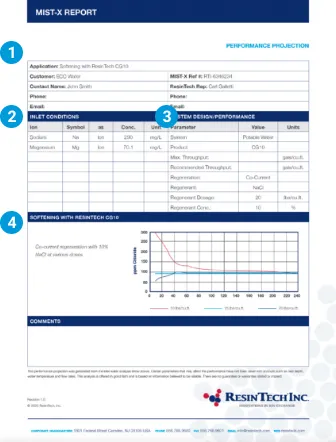
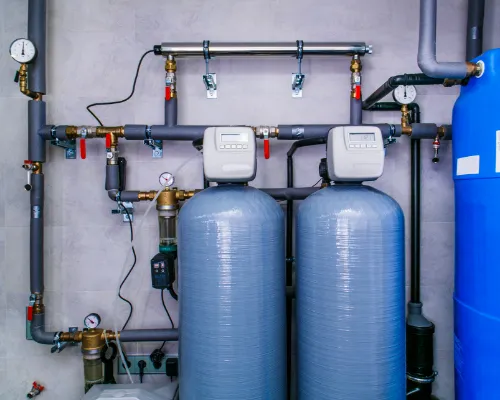
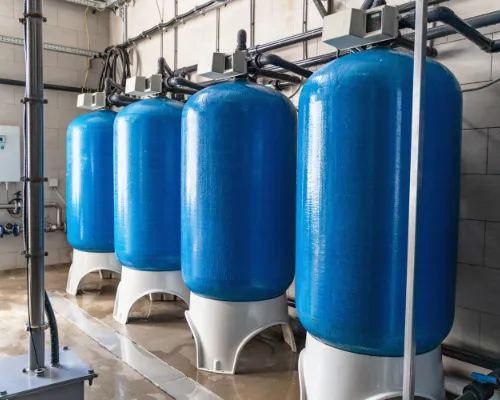
Our softening models estimate hardness loading, cycle length, salt efficiency, and resin lifespan. This gives you a clear picture of how your softening system will operate under real-world demand.





.webp)

.webp)
.webp)
.webp)
.webp)
.webp)
.webp)


.png)


.webp)










.webp)