
.webp)

.webp)




.webp)
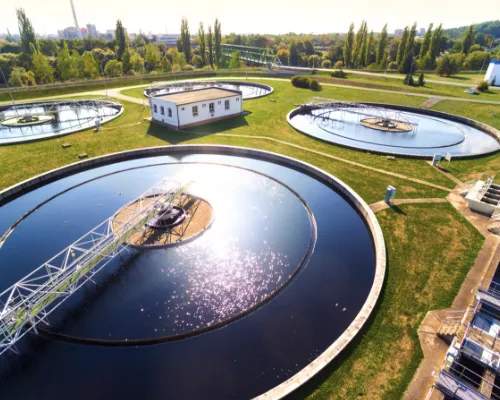
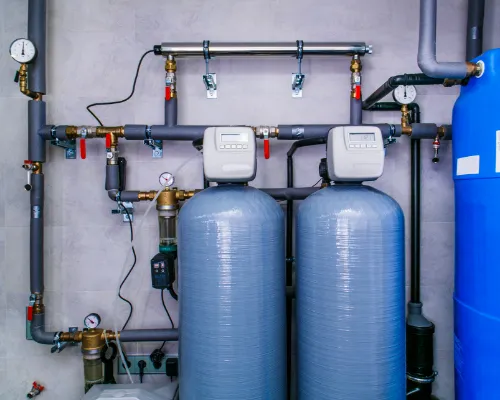

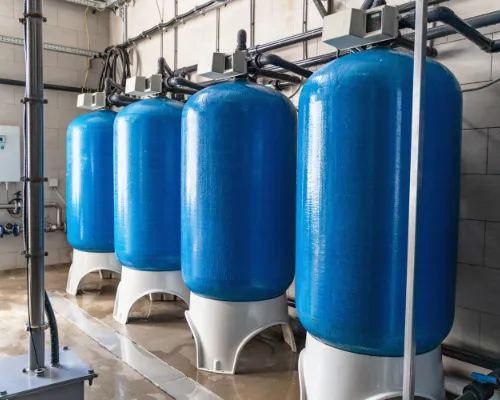





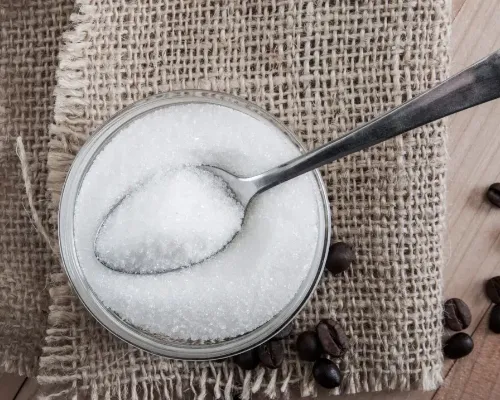
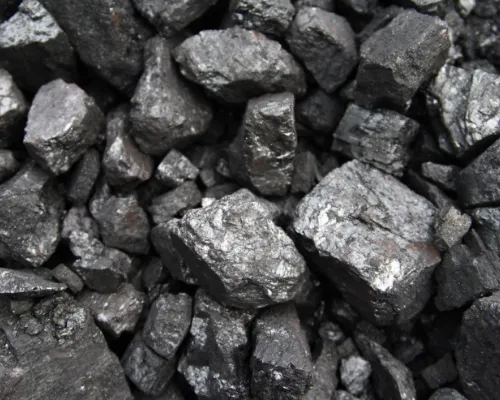


Ion exchange resins offer greater operational efficiency and improved process hygiene than either powdered or granular carbon and are rapidly becoming the media of choice for cane sugar refiners seeking to remove color from liquid or crystal sugar products. Strong base type I anion resins in the chloride form remove color by ion exchange or adsorption.
Sugar Decolorization
The use of ion exchange technology in the sugar industry started about 70 years ago and has been evolving very fast. Starting with the raw sugar thin juice, a light to dark green fluid, with a sugar content other substances, among them calcium, magnesium salts (phosphates and silicates among them), iron, and other organic substances, that are required to be removed from it to isolate the sucrose molecule.
Applications

.png)
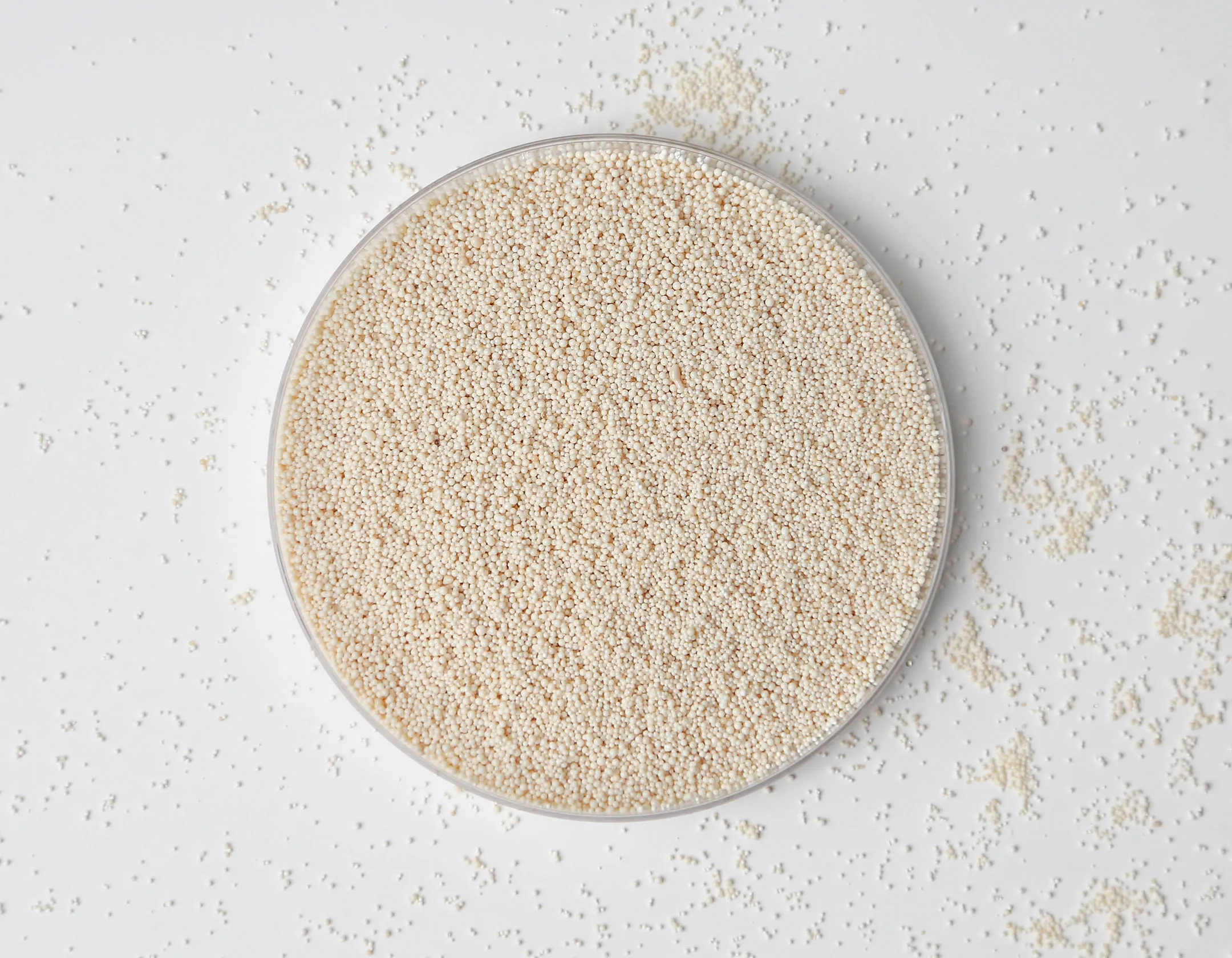
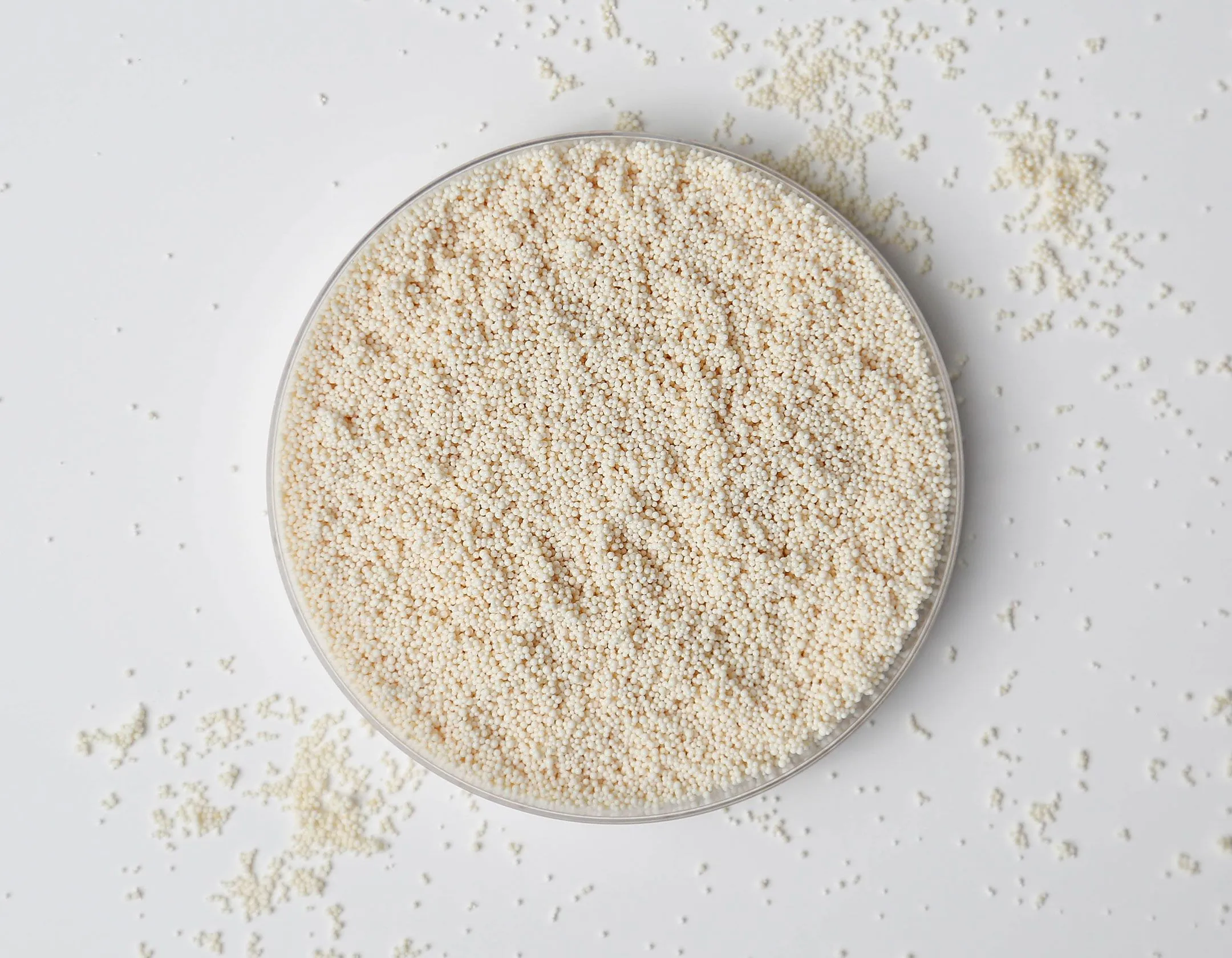
Sugar Juices Softening/Decatiozation
%20(1).png)
Thin juice ion exchange softening positively affects downstream operations, eliminating the need for descaling evaporators and improving the efficiency of heat transfer while improving boiling characteristics and resulting sugar quality. It is important to note that cane juice is typically “harder” than beet juice a can require larger softening systems and more regenerant.
-

Ready for American certainty?
Partner with ResinTech for American-made filter cartridges that create loyal customers and reliable revenue streams.
Our USA manufacturing capacity, stringent quality control, and rock-solid supply chain stability give you advantages that offshore suppliers can't match.
Our USA manufacturing capacity, stringent quality control, and rock-solid supply chain stability give you advantages that offshore suppliers can't match.
.webp)

.webp)
.webp)
.webp)
.webp)
.webp)
©2026 ResinTech, Inc.