
.webp)

.webp)




.webp)








Resin Health Analysis
Regular Resin analysis not only helps identify potential fouling and need for cleaning, but can also be used to track the
normal aging of resin as an aid to scheduling resin replacement and preventing catastrophic failures.
.png)

Resin Health Analysis
Regular Resin analysis not only helps identify potential fouling and need for cleaning, but can also be used to track the
normal aging of resin as an aid to scheduling resin replacement and preventing catastrophic failures.
normal aging of resin as an aid to scheduling resin replacement and preventing catastrophic failures.
Download Pricing Guide
Why Test Your Resin
It is important to take resin samples and have them analyzed at
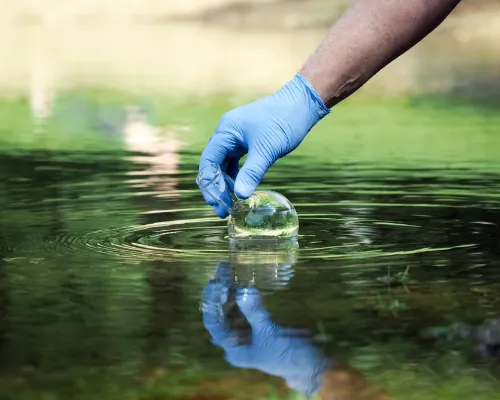
regular intervals in order to avoid issues with system reliability, poor water quality, excessive chemical use, and other possible problems. Regular analysis not only helps identify potential fouling and need for cleaning but can also be used to track the normal aging of resin as an aid to scheduling resin replacement
and preventing catastrophic failures.
regular intervals in order to avoid issues with system reliability, poor water quality, excessive chemical use, and other possible problems. Regular analysis not only helps identify potential fouling and need for cleaning but can also be used to track the normal aging of resin as an aid to scheduling resin replacement
and preventing catastrophic failures.
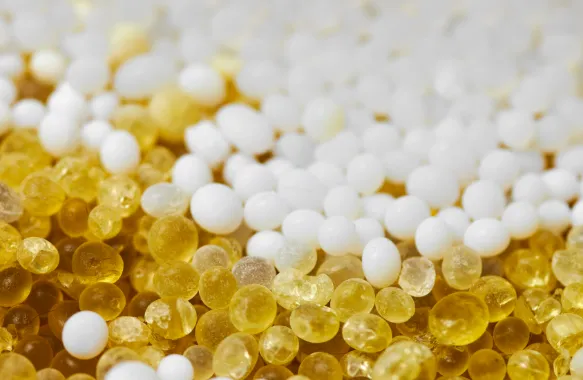

The test are divided into 3 categories:
Standard Resin Tests
- Total Capacity
- Moisture
- Visual Inspection
- Salt Splitting Capacity for Anions
- Mixed Bed Percentage Ration
- Photograph
- Ionic Form (as recieved)
Specialty Resin Tests
- Screen Size Distribution
- Water Soluble Organics
- Bead Crush Strength (Friability)
- Inorganic Impurity Levels
- Rinse Requirement
- Column Capacity
- Kinetic Tests
- Oxidative Stability
- Osmotic Stress Test
- Specific Gravity
- % Volume Change
- Ash Analysis
- Resin Cleaning Tests
- Identification of Foulants
- Iron
- Sodium

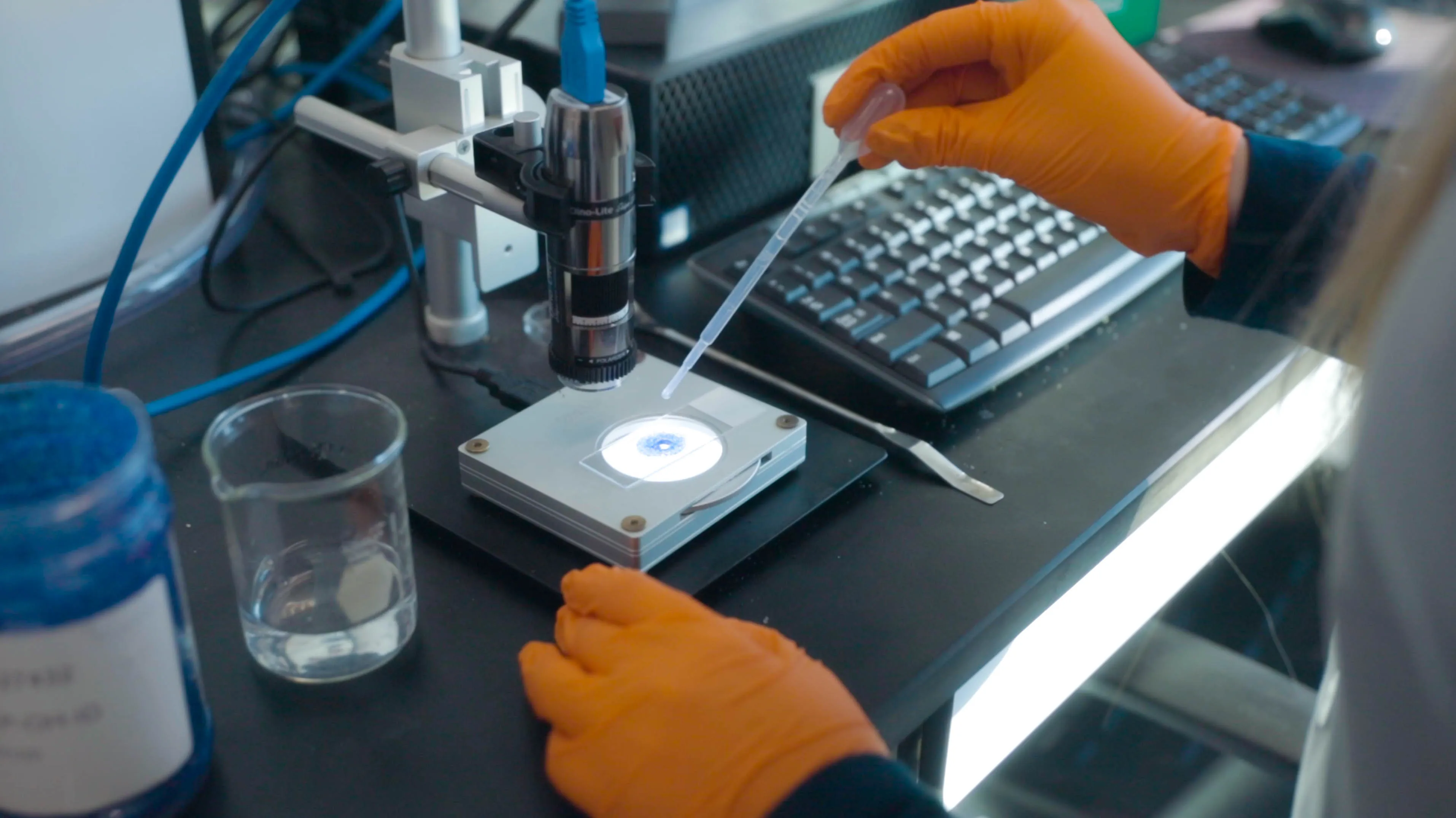
How Often You Should Test
Softeners and other salt form ion exchangers (systems regenerated with sodium chloride) should be analyzed when new and again after each two to three years of service. Demineralizer resins and other resins regenerated with acid and/or caustic should be analyzed when new and again every one to two years of service. Resins that are stored for more than a year before use should be reanalyzed before use to verify they have remained in good condition. Sample frequency should be increased for resins that are used in critical service, resins used in waste treatment, for systems that have known fouling potential, and for resins that are nearing the end of their useful lives.
Whenever possible, retain a small (500 mL) sample of all new resins for possible future comparison or analysis.

Ready for American certainty?
Partner with ResinTech for American-made filter cartridges that create loyal customers and reliable revenue streams.
Our USA manufacturing capacity, stringent quality control, and rock-solid supply chain stability give you advantages that offshore suppliers can't match.
Our USA manufacturing capacity, stringent quality control, and rock-solid supply chain stability give you advantages that offshore suppliers can't match.
.webp)

.webp)
.webp)
.webp)
.webp)
.webp)
©2026 ResinTech, Inc.