Electrophoresis

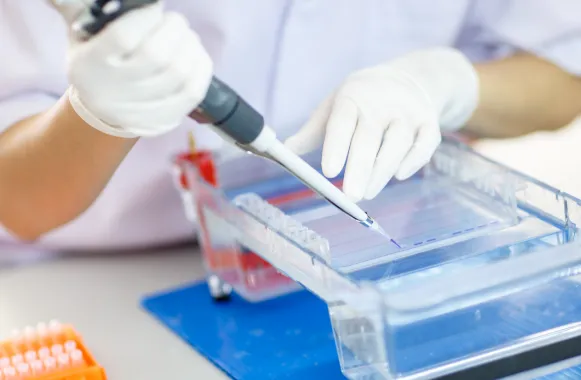
Electrophoresis is a laboratory technique used to separate macromolecules based on their size and charge. It involves the migration of charged particles through a gel under the influence of an electric field. Electrophoresis is widely employed in molecular biology and biochemistry for tasks such as DNA, RNA, and protein analysis.

What Is The Impact Of Water On Electrophoresis?

The quality of water used in electrophoresis is critical to obtain accurate and reproducible results. Water is a key component in preparing gels, buffers, and running solutions. Impure water can introduce contaminants that affect the mobility of molecules during electrophoresis, leading to distorted bands and unreliable data.
What Types Of Contaminants In Water Can Affect Electrophoresis Results?
Various impurities in water can impact electrophoresis results, including:

Bacteria & Microorganisms

Impact:
Bacterial contamination can interfere with electrophoresis results.
Effect:
Unintended microorganisms may alter the composition of samples, leading to inconsistencies in gel electrophoresis conditions and compromising the reliability of results. This can affect the separation of DNA, RNA, or proteins.

Endotoxins

Impact:
Endotoxins can affect the efficiency of electrophoresis techniques.
Effect:
In electrophoresis experiments, endotoxins may interfere with the migration patterns of biomolecules, affecting the accuracy of size determinations and compromising the reliability of electrophoretic separations.

Organic Compounds

Impact:
Small organic compounds in water can introduce variability in electrophoretic analyses.
Effect:
Organic impurities, such as humic acids and pesticides, may affect the mobility of molecules during electrophoresis. Removal of these organic compounds from electrophoresis buffers is crucial to ensure accurate separations.

Ionic Contaminants

Impact:
Ionic contaminants can influence electrophoretic mobility.
Effect:
Elevated levels of ions may affect the migration rates of biomolecules, leading to variations in electrophoresis results. Maintaining low levels of ionic contaminants is essential for the reproducibility and accuracy of electrophoretic analyses.

Water Measurement Requirements for Electrophoresis

Precise and reproducible electrophoretic results hinge on the quality of water utilized in the analysis. The choice of water type is guided by the specific requirements of the electrophoresis application. For routine agarose gel electrophoresis, Type II water may be suitable, while high-resolution techniques like polyacrylamide gel electrophoresis (PAGE) often demand the use of apyrogenic, Type I ultrapure water.
Water Quality Standards According to Industry Guidelines

Application

Routine Agarose Gel

Resistivity (MΩ.cm)

>1

TOC (ppb)

<50

Filter (µm)

<0.2

Bacteria (CFU/ml)

<1

Endotoxins (EU/ml)

NA

Nucleases

NA

Application

High-Resolution Techniques

Resistivity (MΩ.cm)

>18

TOC (ppb)

<10

Filter (µm)

<0.2

Bacteria (CFU/ml)

<1

Endotoxins (EU/ml)

<0.002

Nucleases

Not Detected
Application
Resistivity (MΩ.cm)
TOC (ppb)
Filter (µm)
Bacteria (CFU/ml)
Endotoxins (EU/ml)
Nucleases
Routine Agarose Gel
>1
<50
<0.2
<1
NA
NA
High-Resolution Techniques
>18
<10
<0.2
<1
<0.002
Not Detected
Choosing the appropriate water grade in accordance with these standards is crucial for minimizing interference and ensuring the accuracy of electrophoretic analyses. Type I water is recommended for applications requiring the highest level of purity, while Type II water may suffice for less sensitive techniques.
NOTES:
If removal of finer particulates (< 0.05 micron) is required, consider upgrading to CLS-5400 series systems.
Applications requiring Endotoxin filtration should purchase a CLF-5000-02E Endotoxin removal final filter.

System

Label

System Depth (in)

System Height (in)

System Width (in)

Dry Weight (lbs)

Inlet Connection

System Voltage

TOC Monitoring

0.05μ Ultrafiltration

Ultraviolet Oxydation

Effluent Purity

Effluent Microorganisms

Effluent Sodium

Effluent Chloride

Effluent TOC

System Maximum
Output (lpm)

Volumetric Presets

Mounting

Laboratory Applications

CAtegory

System

Label

System Depth (in)

System Height (in)

System Width (in)

Dry Weight (lbs)

Inlet Connection

System Voltage

TOC Monitoring

0.05μ Ultrafiltration

Ultraviolet Oxydation

Effluent Purity

Effluent Microorganisms

Effluent Sodium

Effluent Chloride

Effluent TOC

System Maximum
Output (lpm)

Volumetric Presets

Mounting

Laboratory Applications

CAtegory

CLR 3300 High Purity Lab Water System with 0.05 Micron Ultrafiltration
10
25.25
21
32
⅜" O.D. Tubing
120V/60Hz
> 18 MΩ/cm
< 10 CFU / ml
< 1ppb
< 1ppb
< 15 ppb
4
Countertop, Wall Mount
Cell Culture, Electrophoresis, Immunochemistry, Life Sciences, Microbiology
Biologic Chemistry
CLïR 5300 Ultrapure Lab Water System with Ultrafiltration (Remote 120v)
14.4
21.6
14.7
42
⅜" O.D. Tubing
120V/60Hz
> 18 MΩ/cm
< 1 CFU/ml
< 1ppb
< 1ppb
< 15 ppb
2
Wall Mount, Remote Dispense
Cell Culture, Electrophoresis, Immunochemistry, Life Sciences, Microbiology
Biologic Chemistry
CLïR 5300 Ultrapure Lab Water System with Ultrafiltration (Remote 220v)
14.4
21.6
14.7
42
⅜" O.D. Tubing
220V/50Hz
> 18 MΩ/cm
< 1 CFU/ml
< 1ppb
< 1ppb
< 15 ppb
2
Wall Mount, Remote Dispense
Cell Culture, Electrophoresis, Immunochemistry, Life Sciences, Microbiology
Biologic Chemistry
CLïR 5300 Ultrapure Lab Water System with Ultrafiltration (Standard 120v)
14.4
21.6
14.7
42
⅜" O.D. Tubing
120V/60Hz
> 18 MΩ/cm
< 1 CFU/ml
< 1ppb
< 1ppb
< 15 ppb
2
Countertop
Cell Culture, Electrophoresis, Immunochemistry, Life Sciences, Microbiology
Biologic Chemistry

System

Label

System Depth (in)

System Height (in)

System Width (in)

Dry Weight (lbs)

Inlet Connection

System Voltage

TOC Monitoring

0.05μ Ultrafiltration

Ultraviolet Oxydation

Effluent Purity

Effluent Microorganisms

Effluent Sodium

Effluent Chloride

Effluent TOC

System Maximum
Output (lpm)

Volumetric Presets

Mounting

Laboratory Applications

Laboratory Applications

CAtegory

CLR 3300 High Purity Lab Water System with 0.05 Micron Ultrafiltration
10
25.25
21
32
⅜" O.D. Tubing
120V/60Hz
> 18 MΩ/cm
< 10 CFU / ml
< 1ppb
< 1ppb
< 15 ppb
4
Countertop, Wall Mount
Cell Culture, Electrophoresis, Immunochemistry, Life Sciences, Microbiology
Biologic Chemistry

System

Label

System Depth (in)

System Height (in)

System Width (in)

Dry Weight (lbs)

Inlet Connection

System Voltage

TOC Monitoring

0.05μ Ultrafiltration

Ultraviolet Oxydation

Effluent Purity

Effluent Microorganisms

Effluent Sodium

Effluent Chloride

Effluent TOC

System Maximum
Output (lpm)

Volumetric Presets

Mounting

Laboratory Applications

Laboratory Applications

CAtegory

CLïR 5300 Ultrapure Lab Water System with Ultrafiltration (Remote 120v)
14.4
21.6
14.7
42
⅜" O.D. Tubing
120V/60Hz
> 18 MΩ/cm
< 1 CFU/ml
< 1ppb
< 1ppb
< 15 ppb
2
Wall Mount, Remote Dispense
Cell Culture, Electrophoresis, Immunochemistry, Life Sciences, Microbiology
Biologic Chemistry

System

Label

System Depth (in)

System Height (in)

System Width (in)

Dry Weight (lbs)

Inlet Connection

System Voltage

TOC Monitoring

0.05μ Ultrafiltration

Ultraviolet Oxydation

Effluent Purity

Effluent Microorganisms

Effluent Sodium

Effluent Chloride

Effluent TOC

System Maximum
Output (lpm)

Volumetric Presets

Mounting

Laboratory Applications

Laboratory Applications

CAtegory

CLïR 5300 Ultrapure Lab Water System with Ultrafiltration (Remote 220v)
14.4
21.6
14.7
42
⅜" O.D. Tubing
220V/50Hz
> 18 MΩ/cm
< 1 CFU/ml
< 1ppb
< 1ppb
< 15 ppb
2
Wall Mount, Remote Dispense
Cell Culture, Electrophoresis, Immunochemistry, Life Sciences, Microbiology
Biologic Chemistry

System

Label

System Depth (in)

System Height (in)

System Width (in)

Dry Weight (lbs)

Inlet Connection

System Voltage

TOC Monitoring

0.05μ Ultrafiltration

Ultraviolet Oxydation

Effluent Purity

Effluent Microorganisms

Effluent Sodium

Effluent Chloride

Effluent TOC

System Maximum
Output (lpm)

Volumetric Presets

Mounting

Laboratory Applications

Laboratory Applications

CAtegory

CLïR 5300 Ultrapure Lab Water System with Ultrafiltration (Standard 120v)
14.4
21.6
14.7
42
⅜" O.D. Tubing
120V/60Hz
> 18 MΩ/cm
< 1 CFU/ml
< 1ppb
< 1ppb
< 15 ppb
2
Countertop
Cell Culture, Electrophoresis, Immunochemistry, Life Sciences, Microbiology
Biologic Chemistry

System

Label

System Depth (in)

System Height (in)

System Width (in)

Dry Weight (lbs)

Inlet Connection

System Voltage

TOC Monitoring

0.05μ Ultrafiltration

Ultraviolet Oxidation

Effluent Purity

Effluent Microorganisms

Effluent Sodium

Effluent Chlorides

Effluent TOC

System Maximum
Output (lpm)

Volumetric Presets

Mounting

Laboratory Applications

CAtegory

CLR 3300 High Purity Lab Water System with 0.05 Micron Ultrafiltration
10
25.25
21
32
⅜" O.D. Tubing
120V/60Hz
> 18 MΩ/cm
< 10 CFU / ml
< 1ppb
< 1ppb
< 15 ppb
4
Countertop, Wall Mount
Cell Culture, Electrophoresis, Immunochemistry, Life Sciences, Microbiology
Biologic Chemistry
CLïR 5300 Ultrapure Lab Water System with Ultrafiltration (Remote 120v)
14.4
21.6
14.7
42
⅜" O.D. Tubing
120V/60Hz
> 18 MΩ/cm
< 1 CFU/ml
< 1ppb
< 1ppb
< 15 ppb
2
Wall Mount, Remote Dispense
Cell Culture, Electrophoresis, Immunochemistry, Life Sciences, Microbiology
Biologic Chemistry
CLïR 5300 Ultrapure Lab Water System with Ultrafiltration (Remote 220v)
14.4
21.6
14.7
42
⅜" O.D. Tubing
220V/50Hz
> 18 MΩ/cm
< 1 CFU/ml
< 1ppb
< 1ppb
< 15 ppb
2
Wall Mount, Remote Dispense
Cell Culture, Electrophoresis, Immunochemistry, Life Sciences, Microbiology
Biologic Chemistry
CLïR 5300 Ultrapure Lab Water System with Ultrafiltration (Standard 120v)
14.4
21.6
14.7
42
⅜" O.D. Tubing
120V/60Hz
> 18 MΩ/cm
< 1 CFU/ml
< 1ppb
< 1ppb
< 15 ppb
2
Countertop
Cell Culture, Electrophoresis, Immunochemistry, Life Sciences, Microbiology
Biologic Chemistry

The difference is CLïR.